
Cataracts are primarily caused by the natural aging process, but several factors can increase the risk of developing cataracts or contribute to their development. Here are the main causes of cataracts:

Cataracts are a natural part of the aging process. As you get older, the proteins in your eye lens break down and clump together, causing cloudiness and vision problems.

Smoking is a significant risk factor for cataracts. The harmful chemicals in tobacco smoke can damage the proteins in your eye lens, leading to cataract formation.

Exposure to UV radiation from the sun or other sources can increase the risk of cataracts. UV radiation can damage the proteins in your eye lens, leading to cataract formation.

Drinking alcohol in excess can increase the risk of cataracts. Alcohol can cause oxidative stress and damage the proteins in your eye lens.

Obesity, lack of physical activity, and poor eating habits can increase the risk of cataracts. Maintaining a healthy lifestyle can help prevent cataracts.
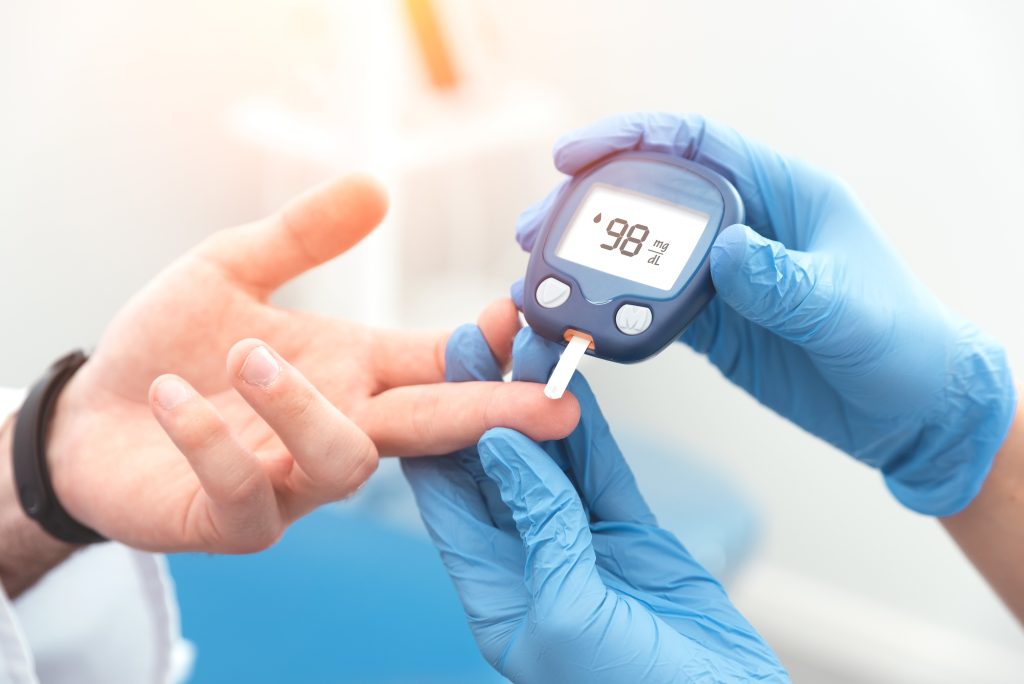
Diabetes can increase the risk of cataracts. High blood sugar levels can damage the proteins in your eye lens, leading to cloudiness and vision problems.

High blood pressure can increase the risk of cataracts. The increased pressure in your blood vessels can damage the proteins in your eye lens, leading to cloudiness and vision problems.

Long-term use of corticosteroid medications can increase the risk of cataracts. These medications can cause oxidative stress and damage the proteins in your eye lens.
Watch the videos below to gain a deeper understanding of cataract surgery and the key differences between various surgical procedures.
Watch this video to learn more about cataract surgery and what to expect during the procedure.
Watch this video to understand the difference between traditional manual surgery and laser cataract surgery
The only effective treatment for cataracts is cataract surgery, which involves removing the cloudy lens and replacing it with a clear, artificial lens (intraocular lens or IOL). Surgery is the most common and successful procedure for restoring vision lost due to cataracts.
The good news is that cataract surgery is one of the safest operations in the world. Cataract surgery improves vision in about 99% of patients.
The right time for cataract surgery varies from person to person. While cataracts develop slowly, it’s essential to consider surgery when your vision is significantly impaired and is affecting your daily activities, such as driving, reading, or working. Dr. Biswas will help you determine the optimal time to undergo surgery based on the severity of your cataract and overall eye health.




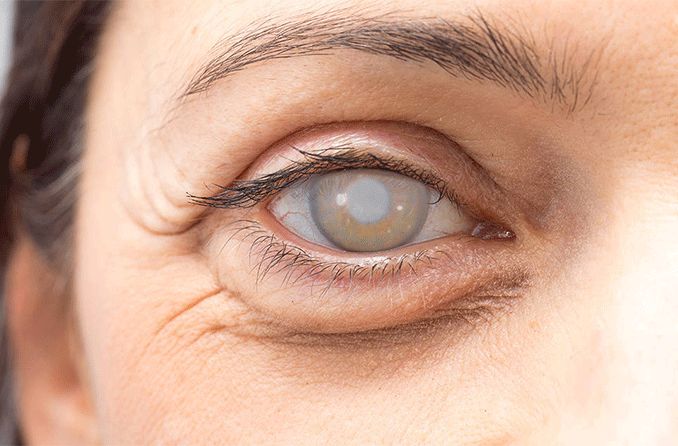
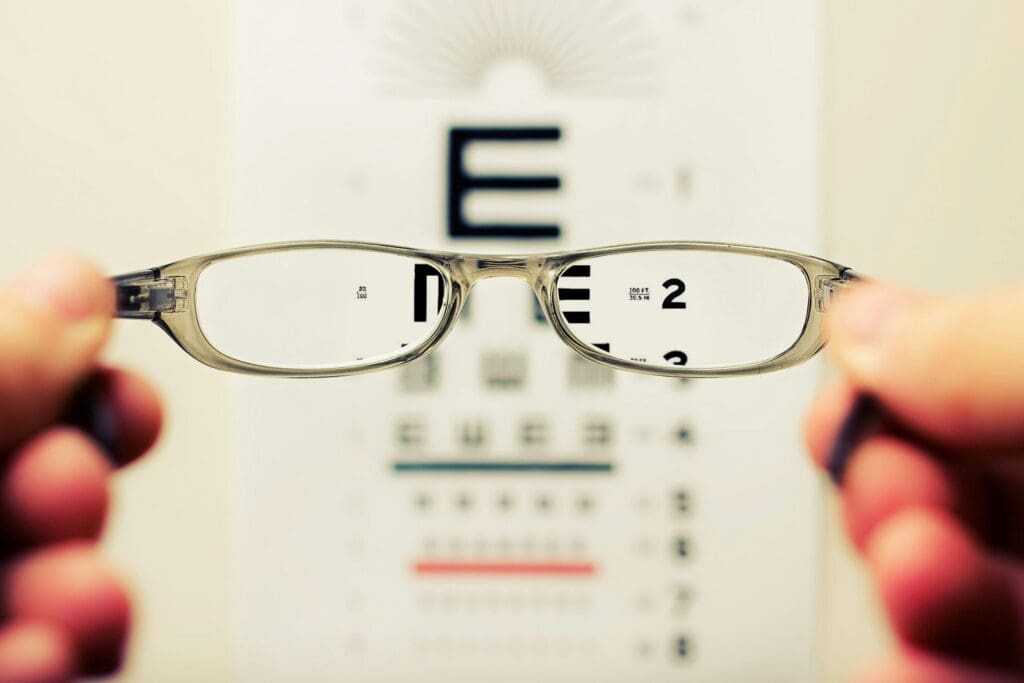


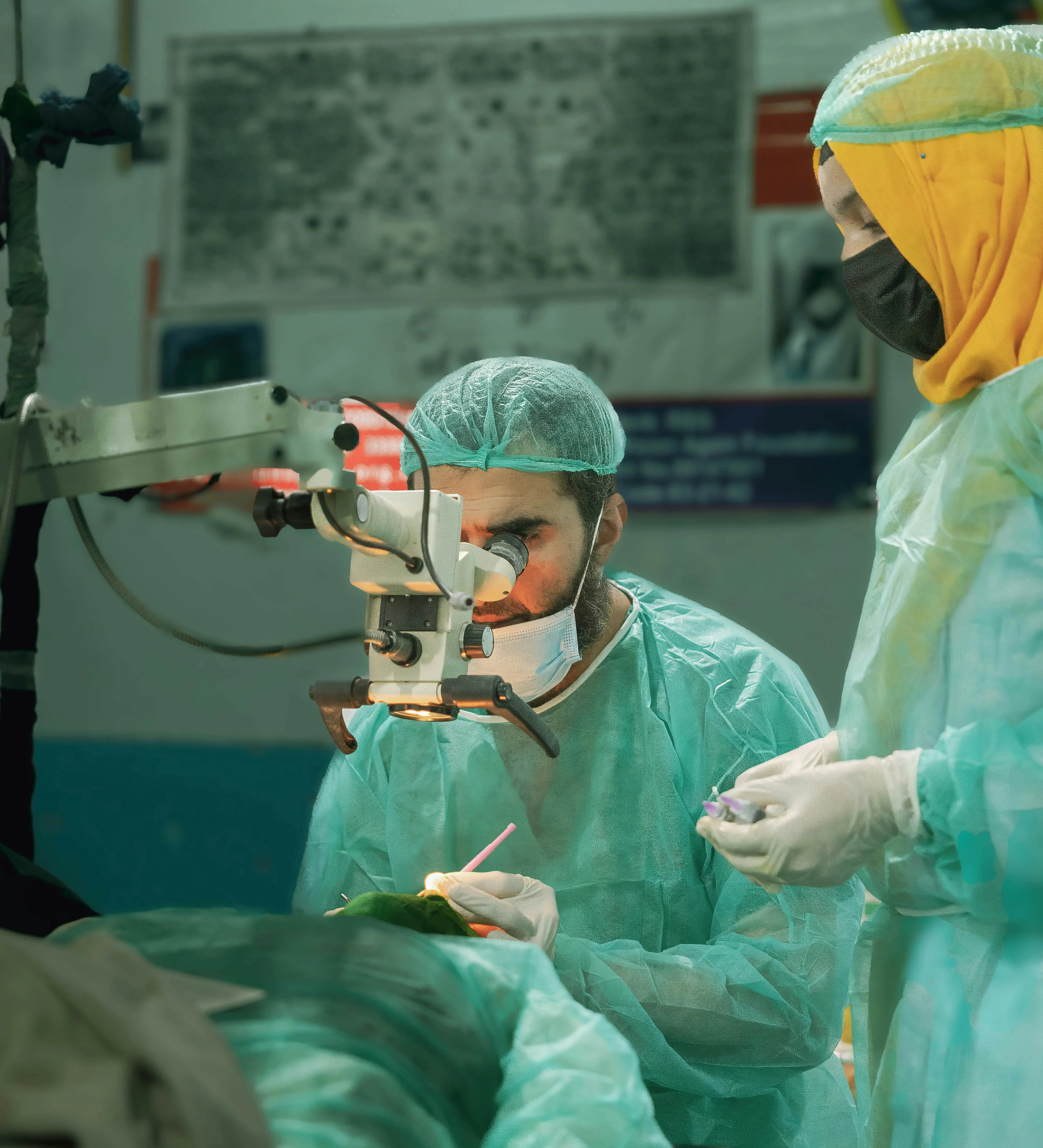
You should consider cataract surgery if your cataracts are significantly affecting your vision and daily activities. If you’re finding it difficult to read, drive, or perform tasks due to blurry vision, it may be time for surgery. Your ophthalmologist, Dr. Tanmoy Biswas, will assess your condition and help you decide the right time for surgery.
Cataracts may affect anybody at any age, but they are most common among those over the age of 55. They are caused by natural aging. Other causes include:
Cataract surgery typically takes about 15 to 30 minutes. The procedure is quick, and most patients can go home the same day.
No, cataract surgery is usually painless. The procedure is performed under local anesthesia, which numbs the eye, so you won’t feel any discomfort. You may feel some pressure or slight sensations during the surgery, but there should be no pain.
Most patients experience a quick recovery after cataract surgery. You may notice an improvement in vision within a few days. It's normal to have some mild discomfort or blurry vision in the first few days, but it typically improves with time. Full recovery usually takes about 4 to 6 weeks.

Experience clear vision with advanced cataract surgery performed by Dr. Tanmoy Biswas. With precision, care, and the latest medical techniques, we ensure a hassle-free and comfortable treatment. Take the first step towards better eyesight—Book your appointment today!
© Dr. Tanmoy Biswas. All Rights Reserved.
Designed by Digiex Web